27.10.2020
Daria Serbina: Dance as a Path to Authentic Self
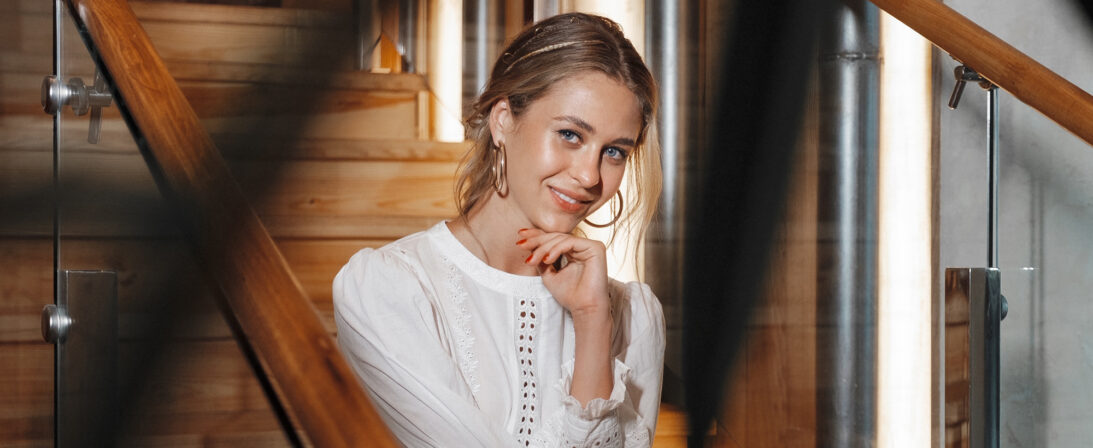
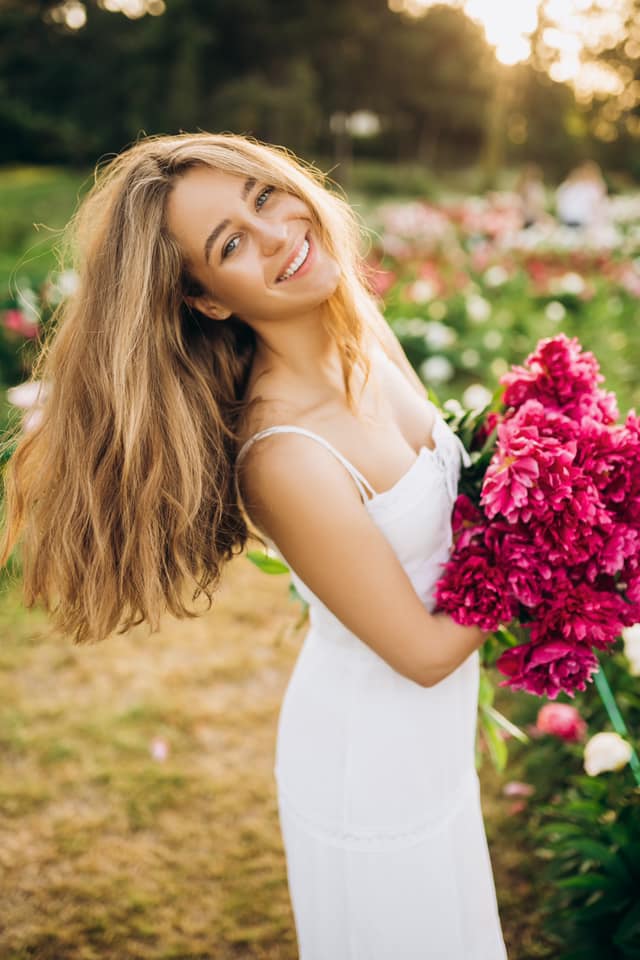
Daria Serbina is a body-oriented therapist, choreographer, master of sports in ballroom dancing, and a Ukrainian national champion. Her work focuses on counseling in areas such as relationships, emotional intelligence, and body awareness.
In an interview with VITAGURU, Daria discusses the importance of self-honesty and inner harmony, the common issues she addresses in her practice, and shares her personal wellness principles and future aspirations.
Daria, could you elaborate on dance therapy as an alternative treatment method?
Dance therapy utilizes the one language that never lies—the language of our bodies. I view dance as a powerful tool that allows individuals to engage in an honest dialogue with their subconscious, bringing underlying concerns to a conscious level.
By establishing a connection with their bodies, individuals learn to listen to themselves, understand their true needs, and integrate their emotional and physical states.
What types of issues and requests do you commonly work with?
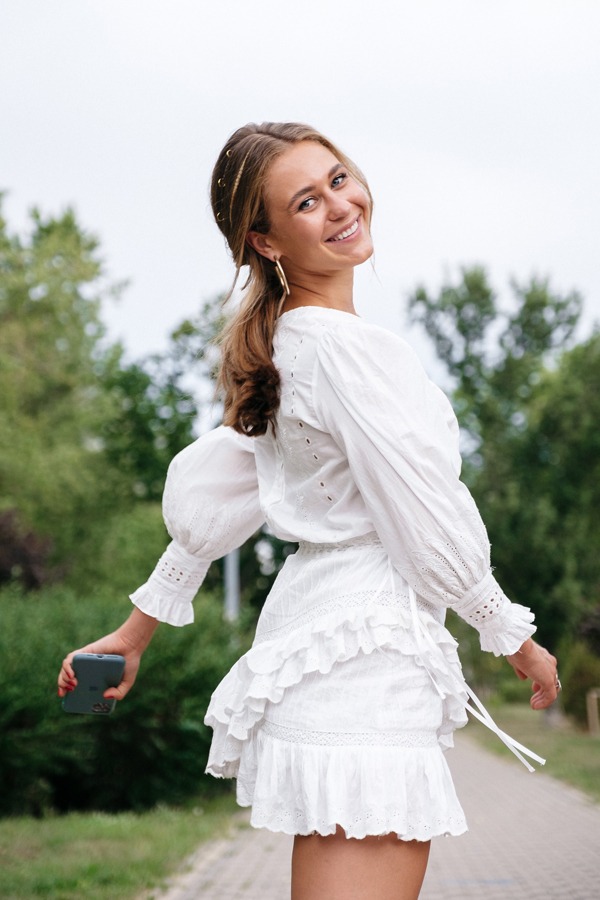
The range is vast and varied. My primary clientele consists of women, and I often address their relationships with themselves, other women, men, children, and the world at large.
For instance, a woman may feel insecure in certain situations and struggle with self-understanding. In such cases, it’s crucial for her to have an honest conversation with herself.
Another example is a woman seeking to express her sexuality more freely but feeling inhibited. It’s important to recognize that sexual energy isn’t solely about relationships with men; it’s about a general zest and attraction to life.
A more straightforward request might be a desire to move gracefully and fluidly. I believe every woman should dance, as it’s a means of self-discovery and expression.
In each case, it’s essential to view the situation through the lens of the body. As an educator, my role is to teach your body to express itself differently, to move in ways you’ve never tried before. Dance is a journey to your true self.
 Is dance therapy solely about physical movement, or does it also address mental states?
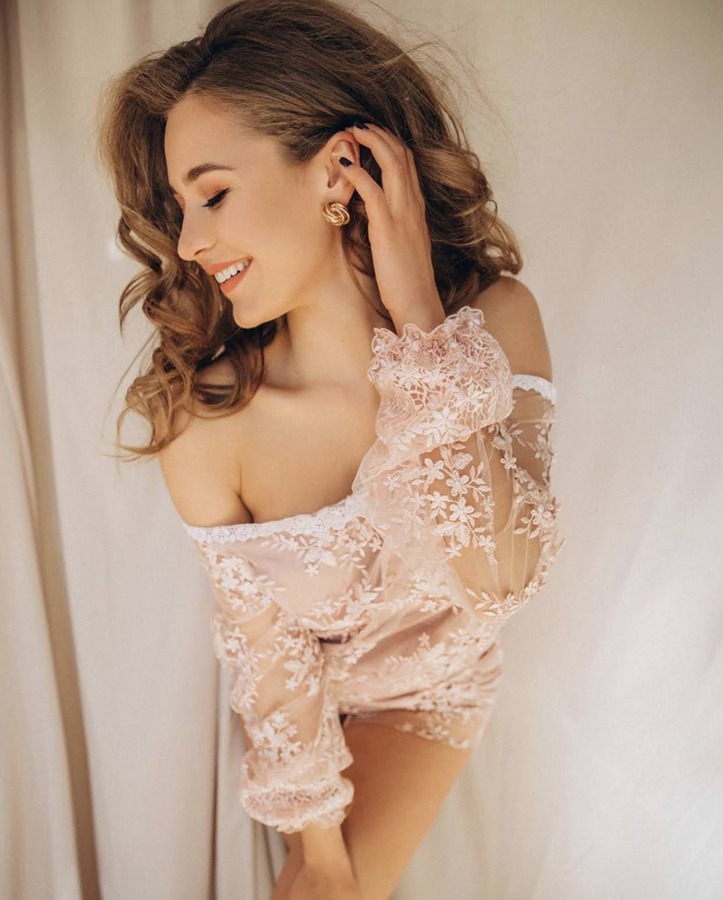
Absolutely! Our mental state affects our bodies, as everything is processed through the brain. It’s about learning to interpret the information our bodies provide.
Dance therapy is an honest and effective tool that highlights tensions, anxieties, emotions, and our relationship with ourselves.
Through dance, individuals can work through issues they might find difficult to articulate verbally.
What aspects do you focus on during sessions?
Often, individuals may not fully understand their true needs or may be hesitant to acknowledge them. My task is to gently guide them toward recognizing these hidden desires.
Some clients are initially reserved and find it challenging to trust and open up. I strive to approach them with care and sensitivity, leading them to their genuine needs, which can result in a cathartic experience.
Are your sessions conducted individually or in groups?
Dance therapy is more than just a dance class. I’m not a dance instructor; I’m an educator who teaches individuals to feel and understand themselves.
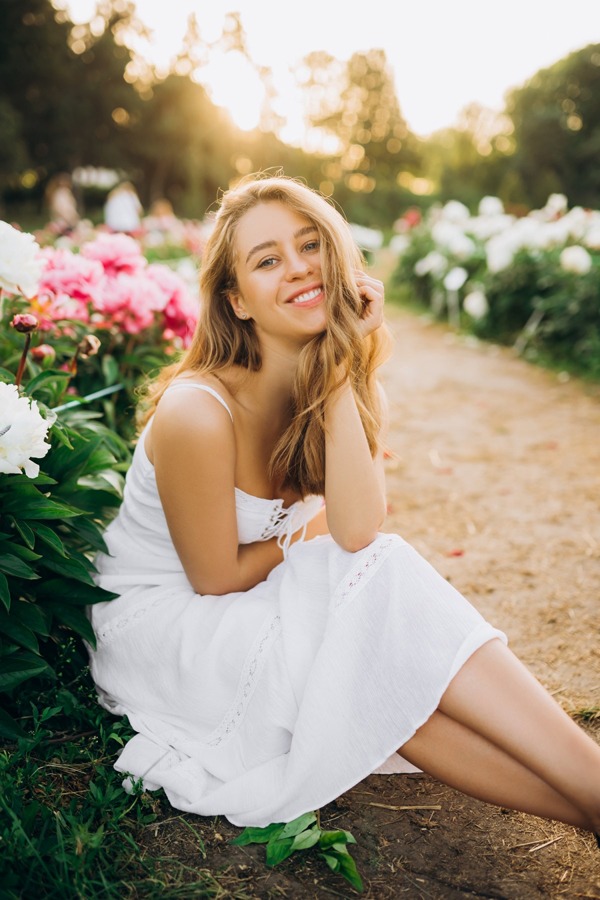
I offer both individual and group sessions. Individual lessons are suitable for those who may feel self-conscious or prefer one-on-one interaction. Group sessions typically consist of up to 10 participants, each working on their specific issues.
I provide a general choreography that aligns with the group’s overall theme, then tailor the experience to address each person’s unique needs.
For example, if a woman is coping with a breakup, we focus on relaxing muscles and freeing the diaphragm. If someone wants to enhance their sensuality, we concentrate on hip movements. Personalization is key—that’s my credo.
Are there any contraindications for this method?
The only contraindication is a lack of willingness. If someone isn’t ready to listen to themselves or isn’t open to personal growth, this approach may not be effective. It’s important to note that I’m not a psychologist; my work focuses solely on the body.
I respect boundaries and am attuned to recognizing them.
Is this therapy suitable only for adults, or can it be applied to children and adolescents?
Personally, I don’t work with children or teenagers, although the method is applicable. Often, my clients bring their young children to sessions, and these children naturally mimic their mothers. Observing a child’s response to their mother’s state is a profound experience for me.
What do you consider most important in the journey toward self-discovery and inner harmony?
First and foremost, it’s the courage to take responsibility for one’s honesty. A person must dare to look themselves in the eye, to feel their emotions, and to express their desires and intentions without judgment or fear of criticism.
What inspires you and helps you remain productive, given the emotional demands of your work?
Nature and the beauty around me are significant sources of inspiration. Spending time alone, even just 30 minutes without my phone, helps me recharge.
I’m intrinsically motivated in my work. I have an innate desire to enhance the world around me and to share my energy as much as possible. This drive has been a constant throughout my life.
Do you have any personal wellness principles?
My wellness principles revolve around creating beauty and being of service. The core tenets are open-mindedness and a zest for life.
Whenever I feel my enthusiasm waning, I ask myself, “What has changed? What’s influencing me now?” An honest conversation with myself always helps.
What goals have you set for yourself? Could you share your future plans?
I have countless goals! Professionally, as a body-movement therapist, I aim to expand my knowledge and continue my education.
I’m also developing my dance project “More Than Dance,” currently based in Kyiv, with plans to offer online programs globally.
On a personal level, I aspire to fulfill roles as a wife and mother and to continue evolving as an individual.
Interview by Kateryna Tugusheva
Articles


What is the energy of life?
We identified 12 main areas in life of each person, the qualitative improvement of each will fill your life with energy and harmony: health, family, time, spirituality, hobbies, beauty, environment, space, well-being, nutrition, lifestyle and self-realization.
Health
Health is when every day is the best. – Franklin Adams
Beauty
Beauty is in everything, but not everyone is given to see it. – Confucius
Nutrition
Thou shouldst eat to live; not live to eat. – Socrates
Home
There is no place more delightful than one’s own domestic space. – Cicero Mark Tullius
Family
Everyone is always someone's child. – Pierre Augustin Beaumarchais
Lifestyle
Staying yourself is the easiest and most worthy lifestyle no matter what others think of you. – Mrinal Kumar Gupta
WANT TO STAY INFORMED ABOUT EVERYTHING?
Sign up for our mailing. You will like it. We promise to write rarely and about important things.