19.10.2020
Sleep as a Key Component of Health
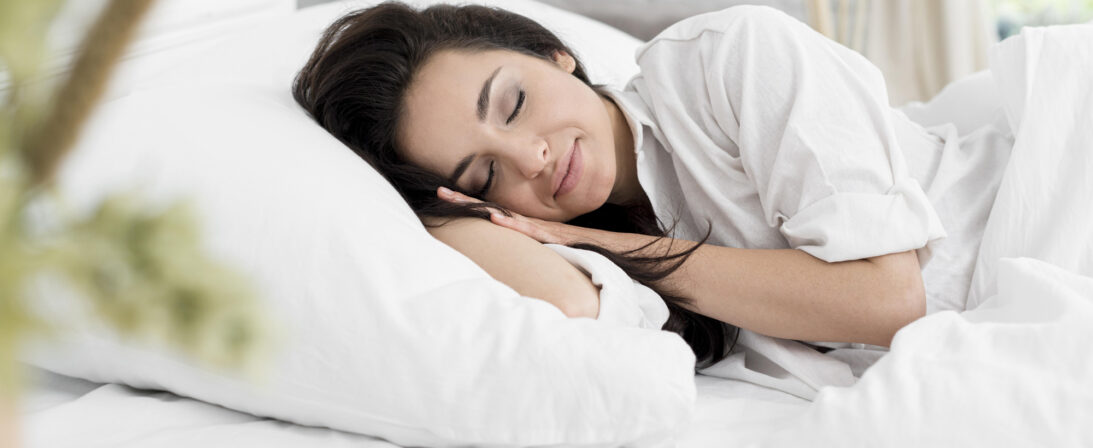
Quality sleep is one of the most essential pillars of physical and mental well-being. It affects not only how we feel, how productive and efficient we are, and how well our immune system functions — but also impacts our lifespan and even our genetic code.
According to statistics, in 2023 the average person worldwide slept just 6 hours per night. Yet experts recommend getting at least 8 to 9 hours of sleep daily. This growing sleep deficit is largely due to our fast-paced modern lives — people want to do more, achieve more, and as a result, often sacrifice sleep. This trend has reached the level of a global epidemic, with sleep deprivation now recognized as one of the most serious public health threats of the 21st century. Additionally, current data shows that around 30% of the global population suffers from some form of insomnia — and this number continues to rise.
Chronic sleep deprivation leads to irreversible changes throughout the body. “The shorter your sleep, the shorter your life,” says renowned neuroscientist and sleep researcher Matthew Walker.
“Sleep is our life-support system and nature’s best effort at immortality,” he explains.
Scientific research confirms the devastating impact of sleep loss on the brain and cardiovascular system. For example, sleep deprivation is strongly linked to increased risks of cancer and Alzheimer’s disease. A recent study found that in the spring, when we lose just one hour of sleep due to daylight saving time, heart attack rates increase by 24%. In contrast, in the fall, when we gain an extra hour of rest, heart attack rates drop by 21%.
There are many potential causes of disrupted sleep — from chronic stress and workplace conflicts, to intense physical exertion, jet lag, or adjusting to life with a newborn.
Tips for Healthy Sleep:
-
Stick to a consistent routine. Try to go to bed and wake up at the same time every day — including weekends.
-
Ventilate your bedroom before sleeping. Maintain a cool environment, ideally around 18°C (64°F), which suits most people.
-
Create a restful sleep space. Choose a comfortable mattress and pillow, and opt for soft, ambient lighting. Most importantly: avoid using your bed as a workspace — no laptops or spreadsheets in bed!
-
Avoid caffeine and heavy meals in the evening. They can interfere with your ability to fall asleep.
-
Unplug from screens at least two hours before bed. Avoid TV, social media, or anything overly stimulating.
-
Take a light walk in the fresh air before bed. Gentle movement helps you relax, reduces stress, and promotes deeper sleep.
-
Try breathing exercises or gentle relaxation techniques. These can significantly improve sleep quality and help manage insomnia.
-
Establish a calming nighttime ritual. This could be reading, meditating, or journaling. Writing in a journal, in particular, is a powerful tool for self-reflection and personal insight — and one of the most beneficial habits to cultivate for emotional well-being.
Articles


What is the energy of life?
We identified 12 main areas in life of each person, the qualitative improvement of each will fill your life with energy and harmony: health, family, time, spirituality, hobbies, beauty, environment, space, well-being, nutrition, lifestyle and self-realization.
Health
Health is when every day is the best. – Franklin Adams
Beauty
Beauty is in everything, but not everyone is given to see it. – Confucius
Nutrition
Thou shouldst eat to live; not live to eat. – Socrates
Home
There is no place more delightful than one’s own domestic space. – Cicero Mark Tullius
Family
Everyone is always someone's child. – Pierre Augustin Beaumarchais
Lifestyle
Staying yourself is the easiest and most worthy lifestyle no matter what others think of you. – Mrinal Kumar Gupta
WANT TO STAY INFORMED ABOUT EVERYTHING?
Sign up for our mailing. You will like it. We promise to write rarely and about important things.